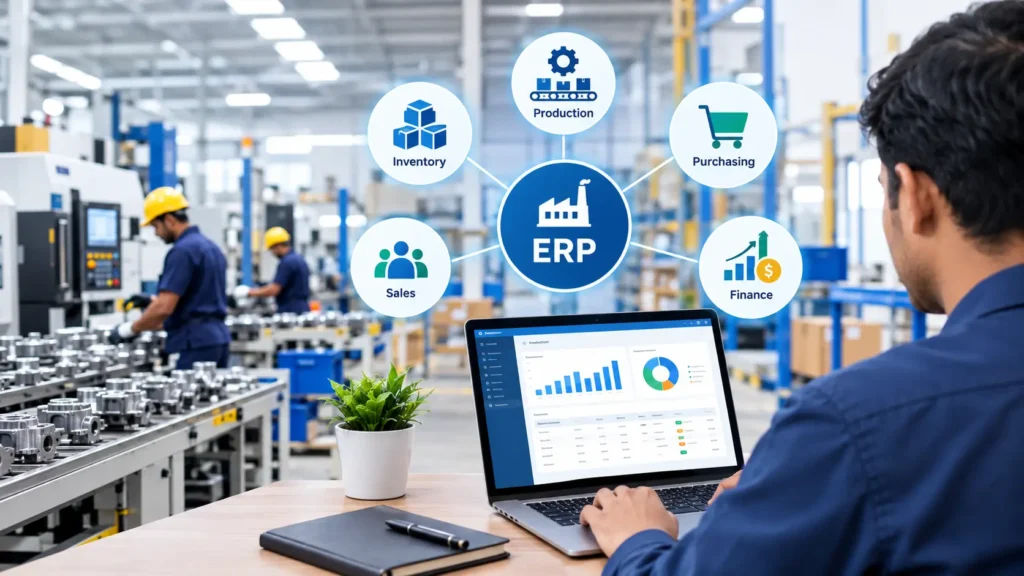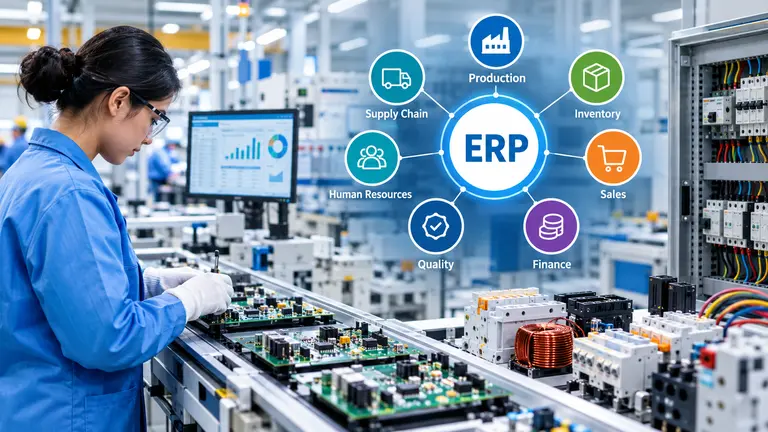

Enterprise Resource Planning software or ERP has turned out to be a very crucial aspect of contemporary business. It assists firms in maintaining daily business processes like accounting, inventory, sales, human resource and reporting in a single system. The growing businesses complicate the maintenance of data across numerous tools, which is time consuming. ERP addresses this issue by unifying everything.
But when companies make the decision to invest in ERP software, the question that arises is usually one. Is it better to select an industry specific ERP or a generic ERP? Both alternatives will be efficient, have improved control, and growth. However, they are created in different ways and perform different business tasks. This blog breaks the difference in very simple words and assists you know which ERP is really a winner to your business.
What Is a Generic ERP?
A generic ERP is a software which is acceptable by various types of business of different industries. It does have standard features that nearly all businesses require, irrespective of the industry they are in.
Finance and accounting administration, inventory tracking, human resource administration, customer data administration and basic reporting are common features of an ERP. Retail stores, service firms, distributors and small manufacturers can use these systems which are flexible.
Flexibility is one of the significant benefits of a generic ERP. It is not industry-specific and therefore businesses can tailor it to suit their purposes. The generic ERP systems tend to be more simple to install and tend to be cheaper initially. They are mostly used in startups and small enterprises that require minimal control without involving heavy investments.
Nevertheless, generic ERP systems are also limited. They lack full knowledge on industry specific workflow. Organizations usually require further customization to suit their specific procedures. This would add cost and time in the long run.
What Is an Industry Specific ERP?
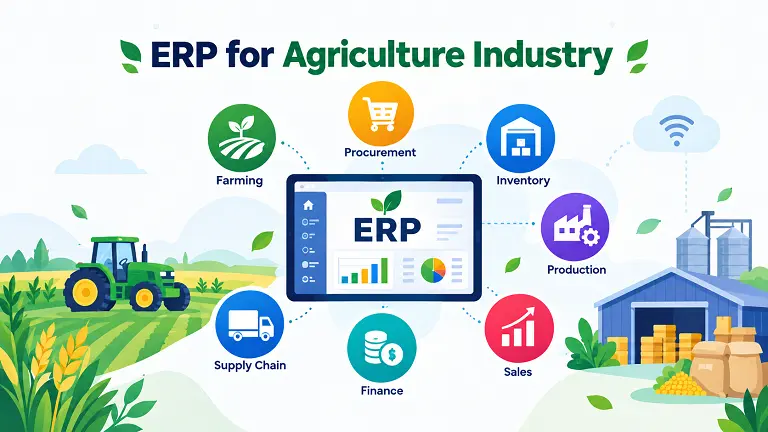
A specific ERP is developed to suit a specific industry and is aimed at supporting specific processes and regulations. These systems already have capabilities and processes that are commonly applied in that industry.
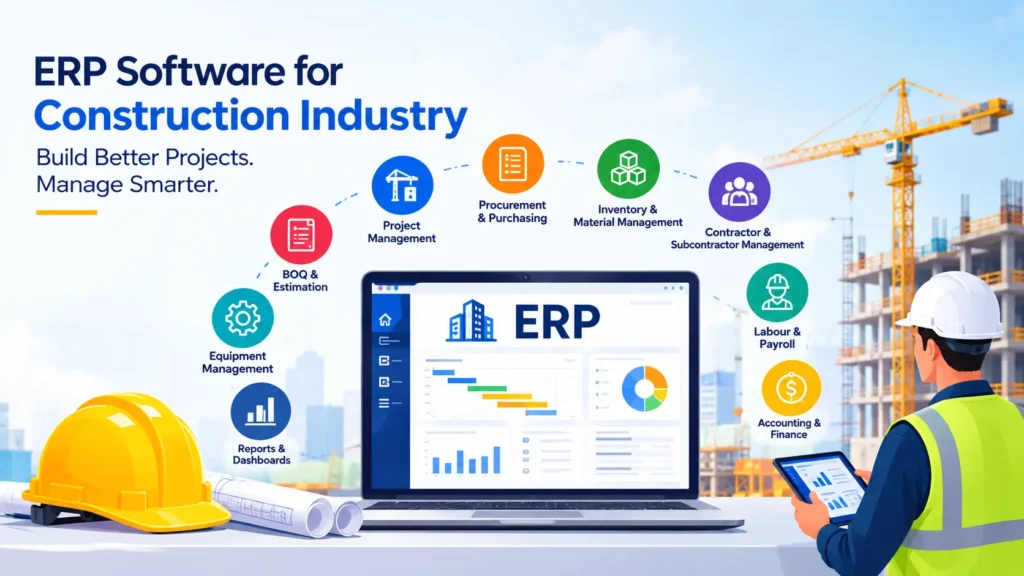
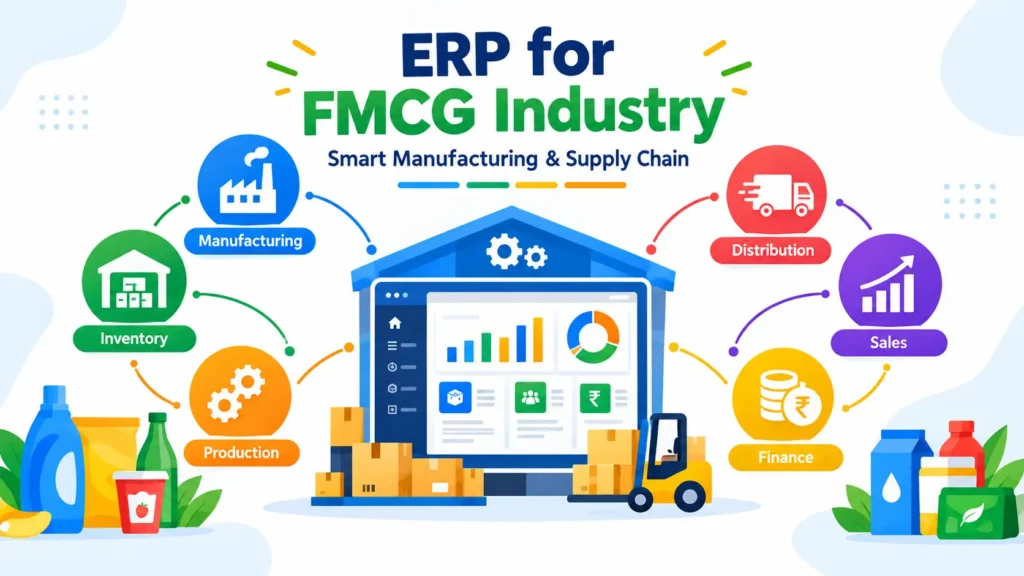
To illustrate, a manufacturing ERP is concerned with production plans, bill of materials, quality oversight and machine use. A retail ERP is based on point of sale integration, stock replenishment and customer loyalty programs. ERP systems in healthcare incorporate patient data management, as well as compliance reporting. ERP systems facilitate project costing and contract management.
The greatest benefit of industry specific ERP is that it aligns with business processes initially. It is simpler to use by employees since it is written in their language. There is better accuracy in reporting and compliance requirements are not difficult to achieve.
The downside is cost. ERP solutions that are industry specific tend to be more expensive on the start. They also might be less flexible when a business is operating in different industries.
Feature Comparison Between Industry Specific ERP and Generic ERP
| Comparison Aspect | Industry Specific ERP | Generic ERP |
| Design approach | Built around one industry’s working style | Built for use across many industries |
| Setup readiness | Comes with pre built industry processes | Needs configuration after installation |
| Process accuracy | Matches real world industry operations closely | Uses standard business processes |
| Compliance handling | Supports industry rules and standards | Requires manual compliance adjustments |
| Reporting depth | Provides industry focused performance insights | Offers general business reports |
| Employee adoption | Easier for staff to learn and use | Training takes more time |
| Implementation speed | Faster due to ready workflows | Slower if heavy customization is needed |
| Long term efficiency | Reduces operational gaps over time | Efficiency depends on customization |
| Business focus | Best for specialized operations | Best for diversified operations |
| Upgrade relevance | Updates aligned with industry changes | Updates focus on general improvements |
Customization and Reporting
Another factor is customization. Generic ERP is extensively customizable but requires more effort. ERP with industry specific applications require less customization as most features are inbuilt.
The industry specific ERP has a more detailed reporting since it concentrates on the industry measurements. Generic ERP offers standardized reports, which might not be sufficient in the case of regulated industries.
Cost Comparison and Budget Impact
The issue of cost is a major factor in ERP selection. Generic ERP is usually of low initial cost. This renders it appealing to small enterprises and startups. Customization, training, and add on modules will however escalate costs in the long term.
ERP is more expensive to start up in the industry. However, its cost-effectiveness in the long term can be lower because it is less customizable and can be deployed more quickly. Businesses also save on money by not paying third party tools.
Simply put, generic ERP is less expensive in the beginning. ERP that is industry specific can be better in the long term.
Implementation Time and Ease of Use
When the level of required customization is high, generic ERP systems require more time to implement. The workflows are not industry oriented and might require additional training to the employees.
Specific ERP systems in the industry are quicker to implement. The system is more easily trained since it can be aligned with the daily work processes. This will minimize any mistakes and enhance adoption.
Scalability and Business Growth
The generic ERP is very flexible and can be used by businesses which have intentions of growing into various industries. It is suitable when the business models of the companies change.
Industry specific ERP is suitable to the business intending to go deep into an industry. As the business expands, it helps in supporting advanced operations and compliance requirements.
Which ERP Is Right for Your Business
Small businesses and startups tend to use generic ERP because it is cheaper and flexible. Stable medium sized businesses can choose industry specific ERP which is efficient. The industry specific ERP tends to be more valuable to huge business organizations and controlled industries due to compliance and sophisticated reporting.
Final Verdict Which One Wins
No one can claim that there is a clear winner between industry specific ERP and generic ERP because each has its own business requirements. Generic ERP can be applicable in companies that require flexibility, reduced initial cost, and simple operations. Industry specific ERP fits better in the case of businesses that have workflow, regulatory requirements as well as industry oriented processes.
The correct decision will be based on the business size, budget, complexity and future growth plans. ERP is a long term investment which has an influence on efficiency, cost control and decision making. With proper selection, the appropriate ERP facilitates everyday business and allows businesses to expand in a sustainable and consistent manner.