
The garment industry is constantly changing. Manufacturers need to manage multiple activities, including fabric purchasing, cutting, stitching, finishing, inventory, quality control and order delivery. Handling all these operations manually can lead to production delays, material wastage, stock management issues and increased operating costs.This is where ERP for the Garment Industry becomes valuable. Garment manufacturing ERP software helps businesses manage their operations through a centralised system, making it easier to monitor production, control inventory, manage orders and improve overall efficiency.
Whether you run a small garment manufacturing unit or a large apparel production business, the right ERP solution can help you manage daily operations more effectively.
What Is ERP Software for the Garment Industry?
ERP (Enterprise Resource Planning) software for the garment industry is a business management solution designed to handle the different processes involved in apparel manufacturing.
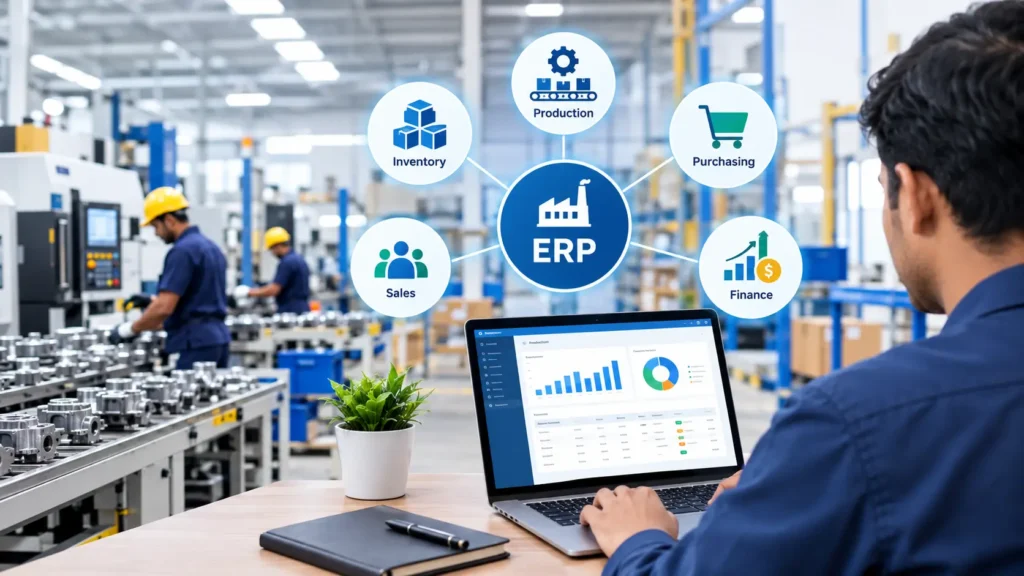
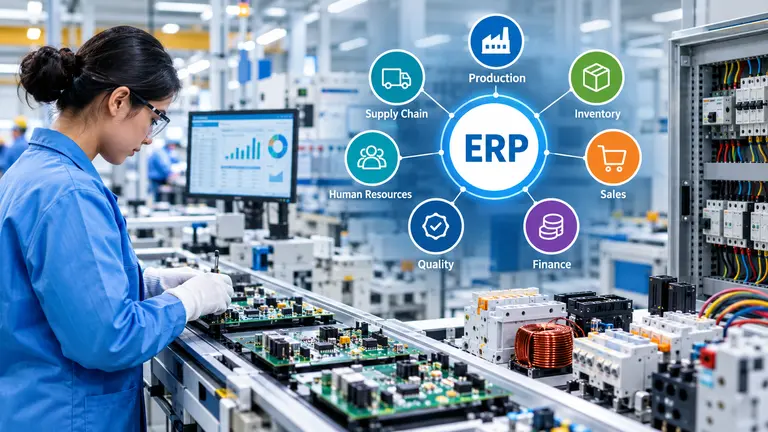
It connects departments such as production, purchasing, inventory, sales, accounts and dispatch through a single platform.Instead of maintaining separate records for fabric stock, production schedules, customer orders and financial transactions, garment manufacturers can manage everything in one system.
A garment ERP solution helps businesses get better visibility into their operations, reduce manual work and make informed business decisions.
Why Do Garment Manufacturers Need ERP Software?
Garment manufacturing involves several interconnected processes. A small mistake in fabric purchasing or production planning can affect the entire order delivery schedule.
Here are some common challenges faced by garment manufacturers:
- Difficulty tracking fabric, trims and accessories inventory.
- Delays in cutting, stitching and finishing processes.
- Challenges in managing multiple customer orders.
- Lack of real-time production updates.
- Fabric wastage and inaccurate material calculations.
- Difficulty maintaining product quality.
- Manual errors in costing and financial records.
- Problems coordinating different production departments.
Garment manufacturing ERP software helps overcome these challenges by bringing important business operations together in one integrated system.
Key Features of ERP Software for the Garment Industry
Choosing the right ERP system can make a significant difference in how a garment manufacturing business operates. Here are the important features manufacturers should look for.
1. Fabric and Raw Material Inventory Management
Fabric is one of the most important resources in garment manufacturing. Managing different fabric types, colours, sizes and quantities requires accurate inventory tracking.
Garment ERP software helps manufacturers:
- Monitor fabric and raw material stock.
- Track buttons, zippers, threads and accessories.
- Manage fabric inward and outward movements.
- Monitor stock availability across warehouses.
- Maintain accurate inventory records.
- Reduce unnecessary material purchases.
This helps businesses maintain the right stock levels and avoid production interruptions caused by material shortages.
2. Production Planning and Scheduling
Managing production schedules is challenging when manufacturers handle multiple orders with different delivery deadlines.
An ERP system helps production managers plan and monitor manufacturing activities more effectively.
With production planning features, businesses can:
- Create production plans based on customer orders.
- Allocate work to different production units.
- Monitor cutting, stitching and finishing activities.
- Track production progress.
- Identify production delays.
- Manage delivery schedules.
This improves coordination between departments and helps manufacturers complete orders on time.
3. Garment Order Management Software
Garment manufacturers often handle orders from multiple buyers, retailers and fashion brands. Each order may have different specifications, quantities, colours, sizes and delivery dates.
An ERP solution helps manage the complete order process, from order entry to final dispatch.
Important capabilities include:
- Customer order management.
- Style-wise and size-wise order tracking.
- Order quantity management.
- Delivery date monitoring.
- Production order generation.
- Order status updates.
With better order visibility, businesses can reduce communication gaps and manage customer commitments more efficiently.
4. Fabric Consumption and Costing Management
Accurate costing is essential for maintaining profitability in the garment industry.
Manufacturers need to calculate fabric consumption, labour costs, accessories, overheads and other production expenses before confirming an order.
ERP software helps businesses:
- Calculate estimated fabric requirements.
- Maintain style-wise material consumption records.
- Track production expenses.
- Calculate garment manufacturing costs.
- Compare estimated and actual costs.
- Monitor order profitability.
This allows business owners to understand production costs and make better pricing decisions.
5. Cutting, Stitching and Finishing Management
Garment production involves several stages, and each stage needs proper monitoring.
An ERP system helps manufacturers track the movement of garments through different production departments.
For example:
- Cutting: Monitor fabric issued, cutting quantities and material wastage.
- Stitching: Track production output, worker performance and pending work.
- Finishing: Monitor ironing, folding, labelling and packing.
- Quality Checking: Record defects, rework and rejected garments.
This improves production visibility and helps managers identify operational bottlenecks.
6. Quality Control Management
Maintaining consistent product quality is important for building long-term relationships with buyers and fashion brands.
Garment ERP software helps businesses monitor quality at different manufacturing stages.
It can support:
- Fabric quality inspection.
- Cutting quality checks.
- Stitching inspection.
- Measurement verification.
- Final garment inspection.
- Defect and rejection tracking.
By identifying quality problems earlier, manufacturers can reduce rework, material wastage and customer complaints.
7. Purchase and Supplier Management
Garment manufacturers regularly purchase fabrics, threads, buttons, zippers, labels and packaging materials from different suppliers.ERP software helps manage purchasing activities in a structured way.
Businesses can manage purchase orders, supplier details, material receipts, purchase costs and outstanding payments.
It also helps maintain supplier records and track purchasing history, making procurement easier to manage.
8. Financial and Accounting Management
Managing production costs and business finances is equally important for garment manufacturers.
An integrated ERP system connects financial information with other business operations.
Key functions include:
- Sales and purchase records.
- Customer and supplier outstanding payments.
- Expense tracking.
- Production cost monitoring.
- Invoicing and billing.
- Financial reporting.
This gives management a clearer picture of business performance and financial position.
Implementing the right ERP software can improve different areas of garment manufacturing.
| Business Area | How ERP Helps |
|---|---|
| Production | Improves production planning and monitoring |
| Inventory | Tracks fabric and accessories stock |
| Order Management | Provides better order visibility |
| Costing | Helps calculate production expenses |
| Quality Control | Monitors defects and rework |
| Purchasing | Improves supplier and purchase management |
| Accounts | Organises financial records |
| Reporting | Supports faster business decisions |
1. Reduced Production Delays
Better production planning helps manufacturers identify pending activities and manage workloads more effectively.
2. Improved Inventory Accuracy
Real-time stock information helps reduce material shortages, excess inventory and unnecessary purchases.
3. Better Cost Control
Tracking material consumption, labour and other expenses helps businesses understand their actual manufacturing costs.
4. Increased Operational Efficiency
Automating routine processes reduces repetitive paperwork and allows employees to focus on important business activities.
5. Improved Customer Satisfaction
Better order tracking and production visibility help manufacturers manage delivery commitments and customer requirements.
How to Choose the Best ERP Software for the Garment Industry
Not every ERP solution is suitable for garment manufacturing. Before selecting software, businesses should evaluate their actual operational requirements.
Consider these factors:
Industry-Specific Features: Choose ERP software that supports garment manufacturing processes, including fabric inventory, production planning, cutting, stitching and finishing.
Customisation: The system should support your business workflow and specific manufacturing requirements.
Inventory Management: Check whether it can manage different fabric types, colours, sizes and accessories.
Production Tracking: Look for features that provide visibility into production stages and order progress.
Reporting and Analytics: Choose a solution that provides useful reports on production, inventory, costing and business performance.
Scalability: The ERP system should support your business as production capacity and order volumes increase.
Implementation and Support: Check whether the software provider offers proper implementation, training and ongoing technical support.
Why Choose Newton ERP for the Garment Industry?
Newton ERP helps businesses streamline their operations through an integrated ERP platform.
For garment manufacturers looking to improve operational control, Newton ERP can support better coordination between important business functions. With an organised approach to business management, manufacturers can improve visibility into their operations, manage resources and make more informed decisions.
Whether you are managing a growing garment manufacturing unit or handling multiple production activities, choosing the right ERP solution can help create a more structured and efficient business environment.
Conclusion
Managing a garment manufacturing business requires coordination between multiple departments, accurate inventory records and effective production planning. Depending entirely on manual processes can make these activities difficult as business operations expand.
ERP for the Garment Industry provides manufacturers with a centralised way to manage production, inventory, orders, costing and financial operations. By implementing the right garment manufacturing ERP software, businesses can improve operational control, reduce inefficiencies and build a stronger foundation for future growth.If you want to improve your garment manufacturing operations, explore how Newton ERP can support your business management requirements.
Ready to streamline your garment manufacturing business? Connect with Newton ERP to explore the right ERP solution for your business.