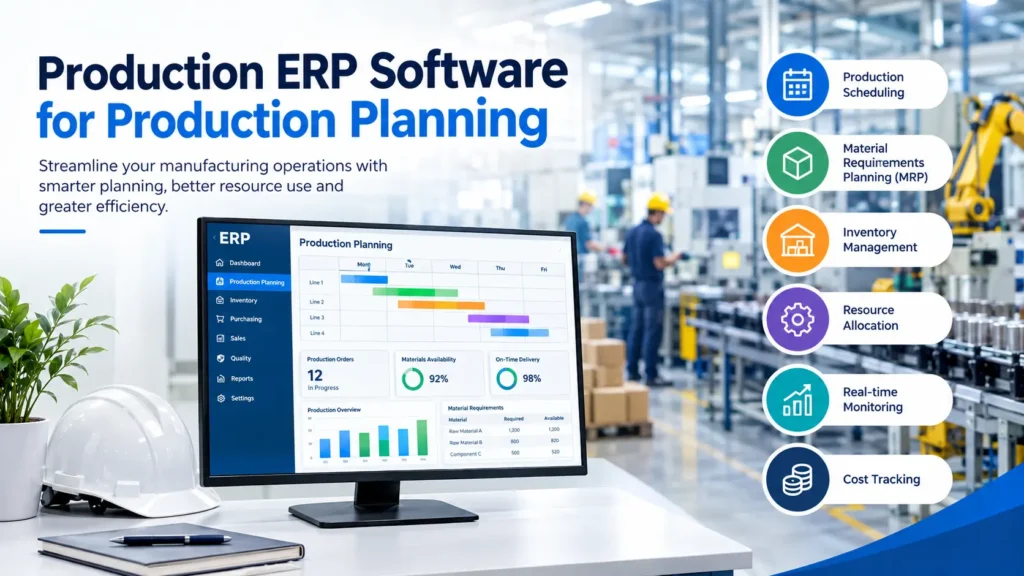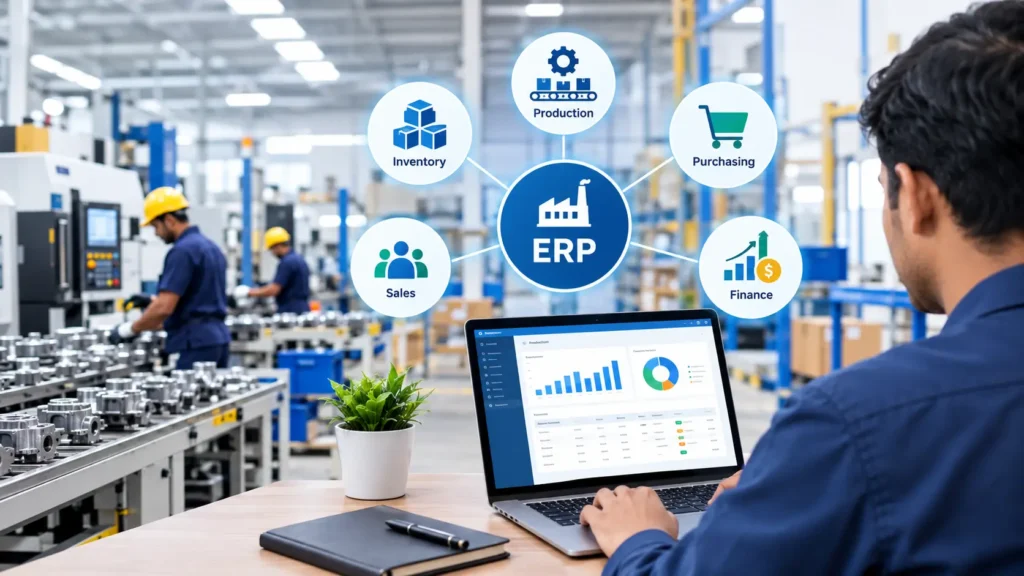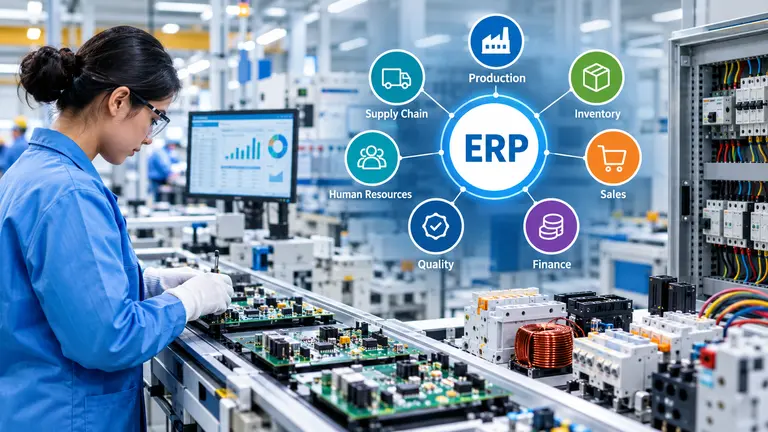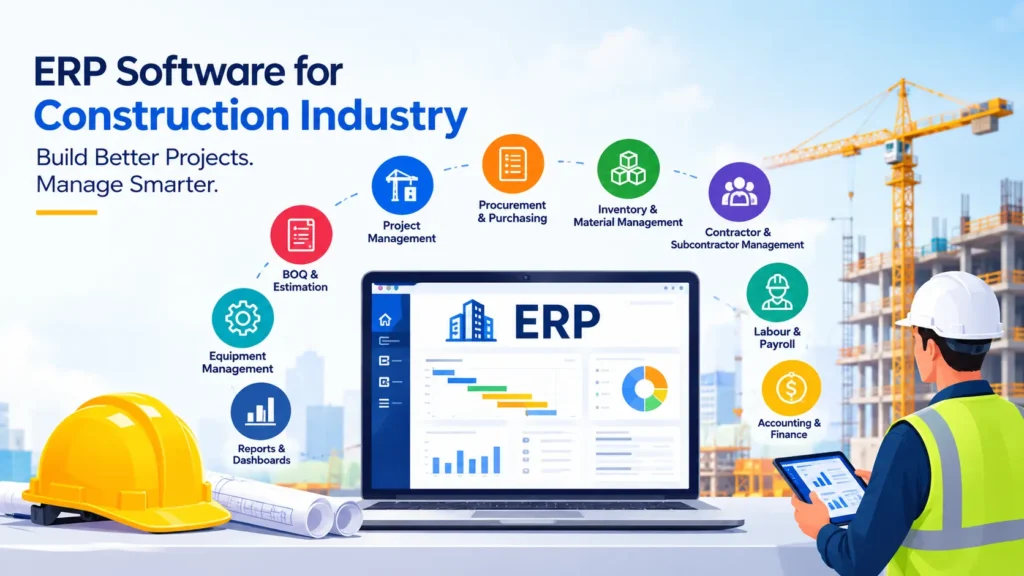
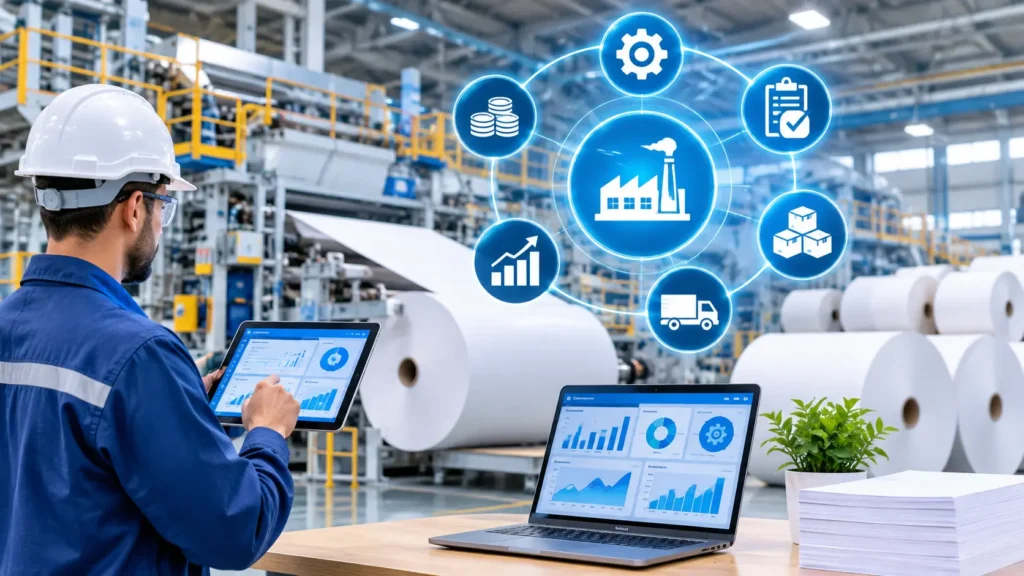
The paper manufacturing industry involves several complex processes, from raw material purchasing and pulp processing to paper production, quality control, inventory management and distribution. Managing all these activities manually or through disconnected software can lead to production delays, material wastage, inventory problems and increased operating costs. This is where ERP for the Paper Industry becomes important. A specialised paper manufacturing ERP system helps businesses manage their entire production process through a single platform. It connects departments, improves visibility and helps manufacturers make better business decisions.
Whether you manufacture kraft paper, tissue paper, packaging paper, writing paper or specialty paper, the right ERP solution can help streamline daily operations and improve productivity.
What Is ERP Software for the Paper Industry?
ERP software for the paper industry is a business management solution designed to handle the specific operational requirements of paper mills and paper manufacturing companies.
Unlike general business software, paper manufacturing ERP supports industry-specific processes such as raw material management, production planning, machine scheduling, paper quality monitoring, inventory tracking, costing and order management.
It brings different business functions together, allowing manufacturers to monitor operations in real time and manage their business more efficiently.
Why Do Paper Manufacturers Need ERP Software?
Paper manufacturing involves multiple production stages, large quantities of raw materials and strict quality requirements. Without proper coordination, even a small operational issue can affect the entire production process.
Here are some common challenges faced by paper manufacturers:
- Production Planning Issues: Difficulty managing production schedules, machine capacity and customer orders.
- Raw Material Wastage: Poor tracking of pulp, chemicals, recycled paper and other materials.
- Inventory Management Problems: Lack of accurate information about raw materials, work-in-progress and finished goods.
- Quality Control Challenges: Difficulty maintaining consistent paper quality, GSM, thickness and moisture levels.
- High Operational Costs: Limited visibility into machine downtime, energy consumption and production expenses.
- Delayed Order Processing: Manual coordination between production, sales, inventory and dispatch teams.
Implementing an ERP system helps overcome these challenges by connecting business operations and providing better control over manufacturing activities.
Key Features of ERP Software for Paper Manufacturing Industry
Choosing the right ERP software for paper manufacturing means understanding which features can support your production and business requirements.
1. Production Planning and Scheduling
Production planning is one of the most important activities in the paper manufacturing industry. Manufacturers need to manage machine capacity, production targets, raw material availability and customer delivery schedules.
Paper manufacturing ERP helps businesses plan production based on customer orders, available resources and machine capacity.
Key benefits include:
- Better production scheduling.
- Improved machine utilisation.
- Reduced production delays.
- Better coordination between departments.
- Improved production output.
2. Raw Material and Inventory Management
Paper manufacturers work with different raw materials, including pulp, recycled paper, chemicals, additives and packaging materials.
Managing these materials without an integrated system can create stock shortages, excess inventory and unnecessary purchasing costs.
An ERP system for paper mills helps track raw material consumption, stock availability, warehouse movements and finished goods.
It also supports batch-wise inventory tracking and helps businesses maintain the right stock levels.
3. Quality Control and Management
Maintaining consistent paper quality is essential for customer satisfaction and industry compliance.
Paper manufacturers need to monitor several quality parameters, including:
- GSM (Grams per Square Metre).
- Paper thickness.
- Moisture content.
- Brightness and whiteness.
- Paper strength.
- Surface finish.
ERP software helps record quality inspection results at different production stages. This makes it easier to identify quality issues, maintain consistency and reduce rejected products.
4. Machine and Maintenance Management
Paper production depends heavily on machinery and equipment. Unexpected machine breakdowns can interrupt production and increase maintenance expenses.
With ERP software for paper mills, businesses can schedule preventive maintenance, maintain equipment records and track machine performance.
This helps manufacturers:
- Reduce unexpected breakdowns.
- Schedule regular maintenance.
- Monitor machine utilisation.
- Reduce production downtime.
- Improve equipment life.
5. Costing and Financial Management
Understanding the actual cost of paper production is essential for maintaining profitability.
An ERP solution helps track production costs associated with raw materials, labour, electricity, machinery and other operational expenses.Manufacturers can analyse product-wise costs, monitor expenses and compare actual production costs against planned budgets.
This helps businesses improve cost control and make more informed pricing decisions.
6. Sales, Purchase and Order Management
Managing customer orders, supplier purchases and delivery schedules manually can create communication gaps between departments.ERP software connects sales, purchasing, inventory and production activities.
With centralised order management, manufacturers can:
- Track customer orders.
- Manage supplier information.
- Monitor purchase orders.
- Check product availability.
- Coordinate dispatch schedules.
- Improve order fulfilment.
7. Warehouse and Dispatch Management
Efficient warehouse management helps paper manufacturers organise finished goods and deliver products on time.ERP software provides better visibility into warehouse stock, product movements, packaging and dispatch activities.
It also helps track different paper grades, sizes, rolls, sheets and batches, making stock identification and order fulfilment easier.
Benefits of Implementing ERP in the Paper Industry
Implementing an ERP solution can improve different areas of paper manufacturing operations.
Here are the major benefits:
| Business Area | ERP Benefits |
| Production | Better planning and scheduling |
| Inventory | Improved stock visibility |
| Quality | Consistent quality monitoring |
| Maintenance | Reduced machine downtime |
| Finance | Better cost and expense control |
| Sales | Faster order processing |
| Warehouse | Improved stock and dispatch management |
| Reporting | Real-time business insights |
Reduce Production Waste
Better material planning and production monitoring help manufacturers identify unnecessary material consumption and reduce avoidable waste.
Improve Overall Production Efficiency
ERP connects production activities and helps managers identify bottlenecks, monitor machine performance and improve resource utilisation.
Maintain Better Inventory Control
Real-time inventory information helps businesses avoid excess stock, reduce shortages and improve purchasing decisions.
Improve Customer Satisfaction
Accurate order tracking, better production planning and timely deliveries help paper manufacturers provide a better customer experience.
Make Data-Driven Business Decisions
Centralised reporting gives management a clearer picture of production, inventory, costs and overall business performance.
Different Types of Paper Manufacturing Businesses That Can Benefit from ERP
A specialised ERP solution can support different types of paper manufacturing businesses.
Kraft Paper Manufacturing ERP
Kraft paper manufacturers can manage recycled raw materials, production planning, paper quality, inventory and finished product dispatch.
Tissue Paper Manufacturing ERP
Tissue paper manufacturers can manage production processes, roll specifications, quality checks, packaging and inventory.
Packaging Paper Manufacturing ERP
ERP helps packaging paper manufacturers manage customer orders, production schedules, material consumption and product deliveries.
Writing and Printing Paper Manufacturing ERP
Manufacturers can monitor paper grades, GSM, quality parameters, production costs and inventory through an integrated ERP platform.
Recycled Paper Manufacturing ERP
ERP software helps businesses track wastepaper procurement, recycling processes, raw material consumption and production output.
How to Choose the Best ERP Software for the Paper Industry?
Selecting the right ERP software is an important decision for any paper manufacturing business. A system should match your production requirements and support your future business growth.
Before selecting an ERP solution, consider these factors:
1. Industry-Specific Features: Choose ERP software that supports paper manufacturing processes, including GSM management, production planning, quality control and inventory tracking.
2. Customisation: Every paper mill has different production requirements. The ERP should be flexible enough to support your business processes.
3. Integration Capabilities: Check whether the ERP can connect with accounting software, machines, warehouse systems and other business applications.
4. Real-Time Reporting: Choose a system that provides accurate information about production, stock, costs and business performance.
5. Scalability: Your ERP should support business expansion, additional production units and increasing operational requirements.
6. Implementation and Support: Consider the provider’s implementation experience, employee training and ongoing technical support.
Why Choose Newton ERP for Paper Manufacturing?
Managing a paper manufacturing business requires proper coordination between production, inventory, purchasing, sales and finance.
Newton ERP helps businesses streamline their operations through an integrated ERP platform. It can support manufacturers in improving process visibility, managing business information and coordinating day-to-day activities.
With the right ERP implementation, paper manufacturing businesses can work towards:
- Streamlined production and operational processes.
- Improved inventory and material management.
- Better coordination between departments.
- Centralised business information.
- Improved reporting and decision-making.
- Greater operational visibility.
Whether you operate a small paper manufacturing unit or a large paper mill, selecting an ERP solution that matches your business requirements can help build a more organised and efficient operation.
Conclusion: Improve Paper Manufacturing Operations with the Right ERP System
The paper manufacturing industry requires efficient production planning, accurate inventory management, consistent product quality and proper cost control. Managing these activities separately can make business operations complicated and time-consuming.ERP for the Paper Industry brings these processes together, helping manufacturers improve operational visibility, manage resources and make better business decisions.If you want to streamline your paper manufacturing operations, explore how Newton ERP can support your business with an integrated ERP solution.
Ready to improve your paper manufacturing business? Contact Newton ERP to discuss your ERP requirements and find the right solution for your operations.