
Choosing the right ERP system is an important decision for any growing business. Whether you run a manufacturing company, trading business, distribution company or small enterprise, managing daily operations through separate software and spreadsheets can become difficult as your business expands.
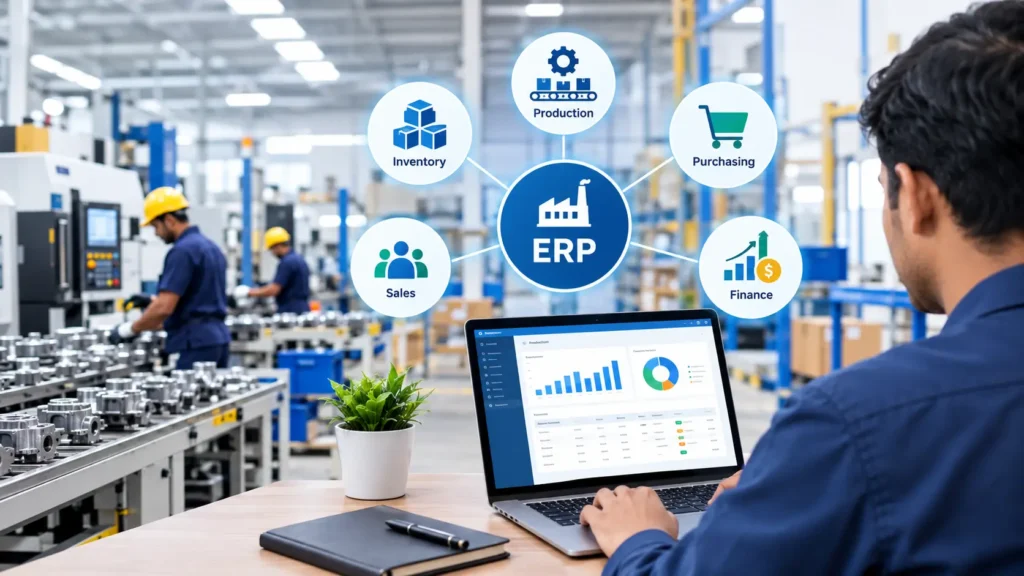
This is where Enterprise Resource Planning (ERP) software makes a difference. It connects important business activities such as accounting, inventory, purchasing, sales, production, HR and customer management in one centralised system.
However, before investing in an ERP solution, most business owners have one important question:
How much does ERP software cost in India in 2027?
The answer depends on your business requirements, number of users, selected modules, customisation needs and implementation process.
In this guide, we will explain the expected ERP software cost in India in 2027, different pricing models, implementation expenses and the factors you should consider before selecting an ERP solution.
How Much Does ERP Software Cost in India in 2027?
The ERP software cost in India can vary significantly depending on the size and complexity of your business.
For budgeting purposes, businesses can consider the following indicative planning ranges for 2027. These are estimates, not fixed vendor quotations.
| ERP Software Type | Estimated Cost |
|---|---|
| Basic ERP Software | ₹1.5 lakh – ₹4 lakh |
| Small Business ERP | ₹3 lakh – ₹8 lakh |
| Standard ERP Software | ₹5 lakh – ₹15 lakh |
| Industry-Specific ERP | ₹10 lakh – ₹30 lakh |
| Custom ERP Software | ₹10 lakh – ₹50 lakh+ |
| Enterprise ERP Solutions | ₹30 lakh – ₹1 crore+ |
The actual ERP software cost may be higher or lower depending on the required features, integrations, deployment method and level of customisation.
A small trading company may need only inventory, billing and accounting features, whereas a manufacturing company may require production planning, quality management, warehouse management and supply chain automation.
Therefore, it is important to select ERP software based on your actual business requirements rather than choosing a system based only on price.
1. What Factors Affect ERP Software Cost in India?
There is no single price for ERP software because every business operates differently. Several factors influence the overall investment.
Number of ERP Users
The number of employees who need access to the ERP system can directly affect pricing.
Some ERP providers charge monthly or annual fees for each user, while others offer different licensing models.
For example:
- Small businesses may require 5–10 users.
- Growing companies may need 20–50 users.
- Large organisations may require access for 100 or more employees.
Before purchasing ERP software, check whether additional users will increase your subscription or licensing expenses.
Number of ERP Modules
ERP software usually includes multiple modules that manage different business activities.
Common ERP modules include:
- Finance and Accounting
- Inventory Management
- Sales Management
- Purchase Management
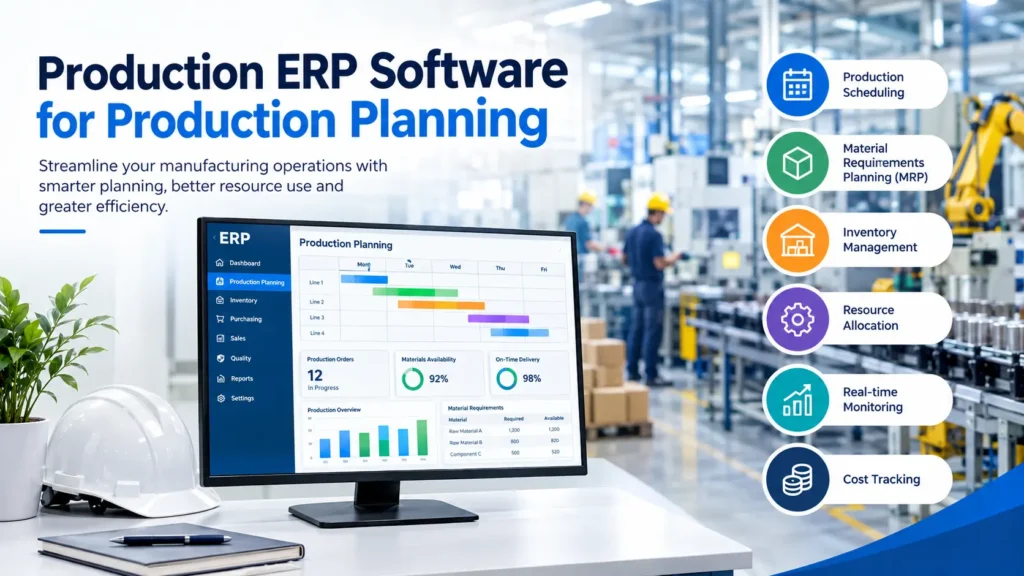
- Production Planning
- Human Resource Management
- Payroll Management
- Customer Relationship Management (CRM)
- Warehouse Management
- Supply Chain Management
- Reporting and Analytics
A business that requires only accounting and inventory management may have a lower ERP investment than a company requiring complete production and supply chain management.
Customisation Requirements
Every business has its own processes, approval systems and reporting requirements.
Standard ERP software offers predefined features, but some companies need additional functionality to match their operations.For example, a manufacturing business may require customised production reports, material planning, job work management and quality inspection workflows.
Customisation can increase the initial ERP software cost, but it can also help businesses manage operations more efficiently.
Software Integration
Many companies already use accounting software, CRM platforms, payment systems and e-commerce applications.Connecting these tools with an ERP system may require additional development and integration work.
A properly integrated ERP system reduces manual data entry and helps departments work with consistent information.
Cloud Hosting and Data Security
Cloud ERP software allows employees to access business information through the internet.However, hosting, storage, backups, security and ongoing maintenance may contribute to the total cost.
Businesses should understand these expenses before finalising an ERP provider.
2. Cloud ERP vs On-Premise ERP: Which Is More Affordable?
One of the important decisions when selecting ERP software is choosing between cloud-based and on-premise deployment.
Both options have different cost structures.
Cloud-Based ERP Software
Cloud ERP software is hosted on remote servers and accessed through an internet connection.
Businesses generally pay monthly or annual subscription fees.
Key benefits:
- Lower initial infrastructure investment.
- Access business information from different locations.
- Automatic software updates.
- Easier system scalability.
- Reduced server maintenance responsibilities.
Cloud ERP is suitable for startups, SMEs and growing businesses that want flexibility without investing heavily in their own IT infrastructure.
On-Premise ERP Software
On-premise ERP software is installed on the company’s own servers or IT infrastructure.
Businesses generally invest in software licences, hardware, installation and maintenance.
Key benefits:
- Greater control over internal infrastructure.
- More control over system configuration.
- Options for specific security and data management requirements.
- Suitable for businesses with established IT teams.
On-premise ERP may require a higher initial investment because companies need to manage hardware, infrastructure and technical maintenance.
Which option should you choose?
If you want flexibility, remote access and lower upfront infrastructure costs, cloud ERP may be a suitable choice. If your organisation requires specific infrastructure controls, on-premise ERP may be worth considering.
3. ERP Implementation Cost in India in 2027
Buying ERP software is only one part of the investment. Implementing it correctly is equally important.
ERP implementation includes understanding business requirements, configuring modules, migrating existing data, testing the system and training employees.
The main implementation expenses include:
Business Requirement Analysis
Before implementation, the ERP provider needs to understand how your business operates.
This includes identifying departmental requirements, existing challenges, approval processes and reporting needs.
Software Configuration
ERP modules are configured according to the company’s operations.
For example, a manufacturing business may need specific inventory settings, production workflows and purchase approval processes.
Data Migration
Businesses often have existing information stored in Excel sheets or older accounting systems.
Moving this information into the new ERP system requires data cleaning, verification and migration.
Employee Training
Employees need to understand how to use the new ERP system.
Proper training helps reduce mistakes and encourages employees to use the software effectively.
Testing and Technical Support
Before going live, the ERP system should be tested to identify errors and ensure that all important functions work correctly.
Technical support is also important after implementation.
4. ERP Software Cost by Industry
Different industries require different ERP features. As a result, ERP pricing can vary according to the business sector.
Here are some examples of industry-specific ERP requirements.
ERP Software for Manufacturing Industry
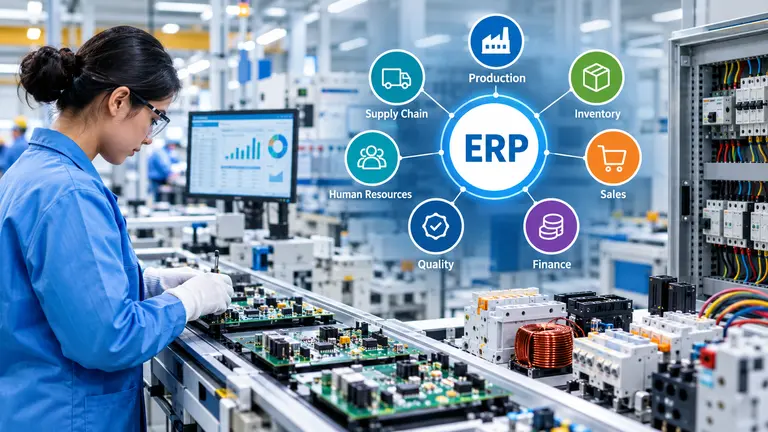
Manufacturing businesses need to manage production schedules, raw materials, inventory, quality checks and finished goods.
A manufacturing ERP system can help with:
- Production planning and scheduling.
- Bill of Materials (BOM).
- Raw material management.
- Quality control.
- Machine and production monitoring.
- Inventory tracking.
ERP Software for FMCG Industry
FMCG companies deal with large product volumes, distributors, retailers and supply chain operations.
An FMCG ERP system helps businesses manage:
- Batch and expiry tracking.
- Inventory management.
- Distributor management.
- Sales and order processing.
- Warehouse operations.
- Supply chain management.
ERP Software for Automotive Industry
Automotive manufacturers and component suppliers need accurate production planning and inventory control.
ERP software can support:
- Production scheduling.
- Bill of Materials management.
- Supplier management.
- Quality inspection.
- Purchase management.
- Material requirement planning.
ERP Software for Construction Industry
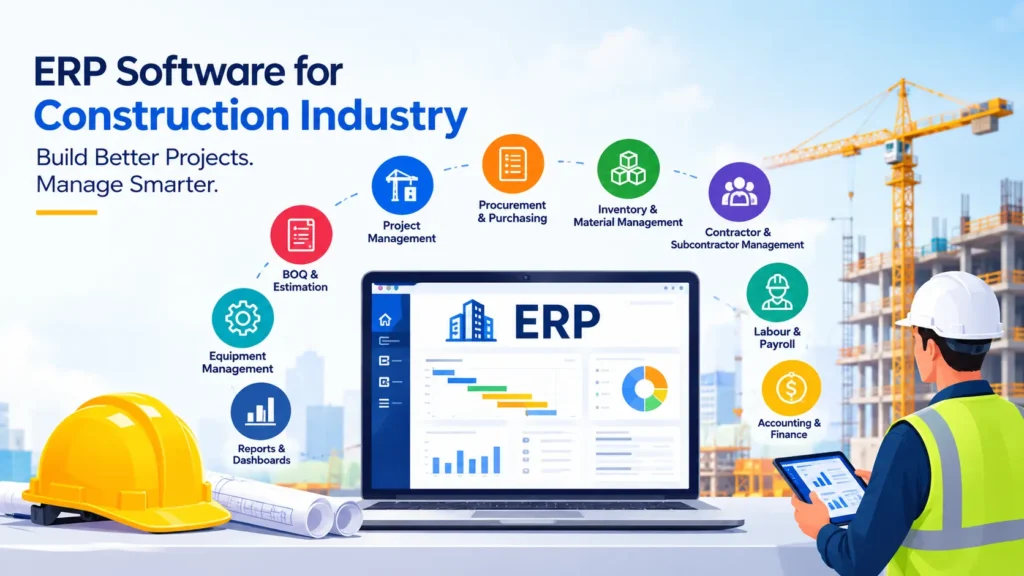
Construction companies handle multiple projects, contractors, materials and budgets.
Construction ERP software helps manage:
- Project costing.
- Material procurement.
- Contractor management.
- Budget tracking.
- Project progress.
- Financial reporting.
ERP Software for Trading and Distribution Businesses
Trading and distribution companies need to manage stock, orders, purchases and customer relationships.
ERP software can simplify:
- Sales order management.
- Purchase management.
- Stock monitoring.
- Warehouse management.
- Customer management.
- Financial reporting.
5. Hidden ERP Software Costs Businesses Should Know
When comparing ERP software prices, businesses often focus only on the initial quotation. However, some additional expenses may arise during implementation and after deployment.
Before finalising an ERP provider, consider the following costs:
1. Additional User Charges: Some ERP providers charge extra when you add more employees to the system.
2. Customisation Charges: New reports, workflows and additional features may require development expenses.
3. Data Migration: Transferring information from older software may involve additional costs.
4. Training Expenses: Additional employee training may be required when new departments start using the ERP system.
5. Annual Maintenance: Some ERP solutions charge annual maintenance or support fees.
6. Third-Party Integrations: Connecting payment gateways, accounting tools, e-commerce platforms and other applications may involve additional expenses.
Always ask your ERP provider for a complete cost breakdown before signing an agreement.
6. How to Choose the Right ERP Software for Your Business?
Selecting the right ERP solution is not just about finding the cheapest option. It is about choosing software that supports your business operations today and as your company grows.
Here are some important points to consider:
- Identify your business requirements before selecting software.
- Check whether the ERP includes all the modules you need.
- Compare cloud-based and on-premise deployment options.
- Understand the software’s customisation capabilities.
- Check integration options with your existing applications.
- Evaluate reporting and analytics features.
- Ask about employee training and technical support.
- Request a live product demonstration before making a decision.
A good ERP solution should simplify daily operations, improve information flow and help management make better business decisions.
7. How Can ERP Software Help Businesses Save Money?
ERP software should be considered a long-term business investment rather than just another technology expense.
When implemented properly, ERP can help businesses reduce unnecessary operational costs.
Reduce Manual Work
Automating repetitive activities such as order processing, billing and reporting can save employees valuable time.
Improve Inventory Management
Real-time inventory information helps businesses avoid unnecessary purchases, stock shortages and excess inventory.
Reduce Operational Errors
A centralised system helps reduce duplicate data entry and communication gaps between departments.
Improve Business Productivity
Employees can access relevant information without depending on multiple spreadsheets or separate applications.
Better Financial Visibility
ERP reporting helps management monitor expenses, sales, cash flow and overall business performance.
The actual savings depend on how effectively the ERP system is implemented and used across the organisation.
8. Why Choose Newton ERP for Your Business?
Choosing the right ERP partner is just as important as selecting the right software.
Newton ERP provides ERP software solutions designed to help businesses manage their operations through a centralised platform.
Whether you operate a manufacturing unit, FMCG company, automotive business, construction company or trading organisation, selecting an ERP system that matches your requirements can make daily management easier.
With Newton ERP, businesses can explore solutions for:
- Manufacturing Management
- Inventory and Warehouse Management
- Finance and Accounting
- Sales and Purchase Management
- Production Planning
- Human Resource Management
- Business Reporting and Analytics
- Customer Relationship Management
The right combination of ERP features can help businesses improve visibility, streamline workflows and manage their operations more effectively.Looking for ERP software that fits your business requirements?
Connect with the Newton ERP team to discuss your business needs and explore a suitable ERP solution.
Conclusion
Understanding the ERP software cost in India in 2027 is an important step before investing in business management technology.The final investment depends on several factors, including business size, software modules, deployment model, customisation, integrations and implementation requirements.
Instead of choosing ERP software based only on its price, focus on its ability to solve your business challenges and support future growth.
Ready to improve your business operations with the right ERP solution? Explore Newton ERP and contact our team to book a personalized demo.