In the digital world, the customer does not remain in a single communication channel. They can learn about your brand on Instagram, pose a question in live chat, and receive updates on their order via email or WhatsApp. When your business deals with these platforms, one by one, then things can get very messy and unstructured.
This is the power of Omnichannel CRM. It enables the businesses to handle customers on email, chat, and social media under the same system. We should know how it works and why it is so crucial.
What is Omnichannel CRM?
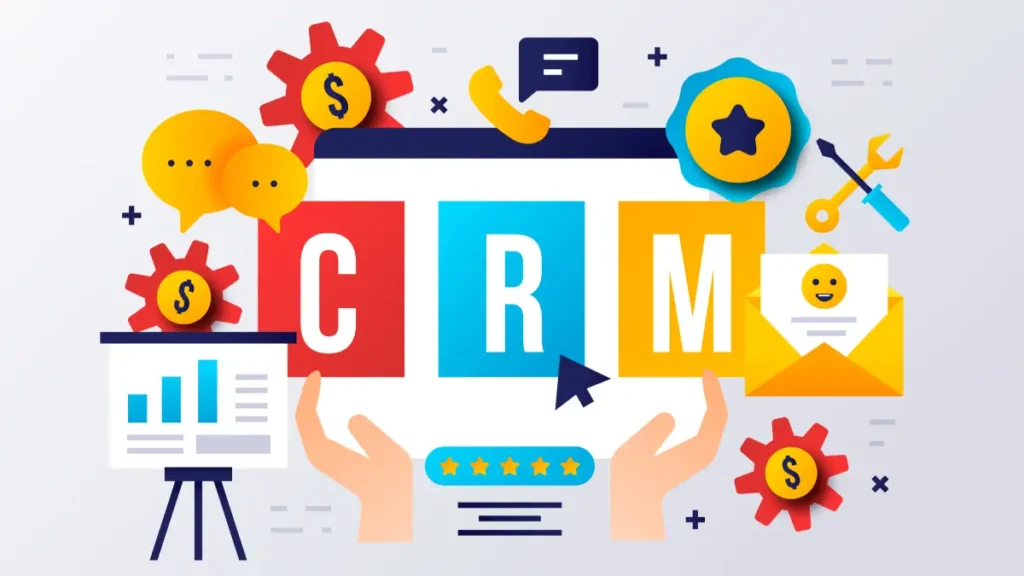
CRM is an abbreviation that means Customer Relationship Management. It is a software that assists the businesses to save customer information, monitor discussions, sales and enhance customer support.
Omnichannel CRM integrates all the channels of communication. Rather than having to use email inboxes, social media applications and chat programs, it all is displayed on a single dashboard.
A lot of individuals mix multichannel with omnichannel. Multichannel refers to the application of various platforms. Omnichannel implies linking those platforms in such a way that the customer experience is seamless.
As an example, when a customer sends a message on Instagram and later emails your support team, your CRM will display both of them in a single profile. This eliminates duplication and misunderstanding.
Why Omnichannel CRM is Important Today
Customers Use Multiple Platforms
Customers nowadays switch platforms without difficulty. They can initiate a discussion on Facebook, proceed on WhatsApp and complete using email. They want your business to keep in mind their earlier communication. Teams might not see the whole picture without an omnichannel CRM.
Faster Response Expectations
Customers want a fast response, particularly chat and social media. Failure to respond promptly may cost the company sales and dissatisfied customers. Omnichannel CRM makes sure that no message is missed.
Better Customer Experience
Customers feel special when communication is approachable and personal. Good experience leads to trust and loyalty.
Data for Better Decisions
Omnichannel CRM gathers information in all channels. Companies have the opportunity to examine the time of response, customer activity and interaction. This assists in enhancing marketing and selling plans.
Key Channels Managed by Omnichannel CRM
Email remains among the business communication tools that are very vital. All emails are linked to the customer profile, making communication organized. Omnichannel CRM tracks:
- Customer queries
- Order confirmations
- Marketing campaigns
- Follow up emails
Live Chat and Chatbots
Website visitors often use live chat for quick help. CRM systems can:
- Store chat history
- Use chatbots for common questions
- Transfer complex issues to support agents
This improves response speed and customer satisfaction.
Social Media
Social networks such as Instagram, Facebook, and LinkedIn have become significant customer touchpoints. Omnichannel CRM helps businesses:
- Manage direct messages
- Respond to comments
- Track brand mentions
- Convert social conversations into leads
Instead of logging into different apps, teams manage everything from one system.
Messaging Apps
Many customers prefer WhatsApp for communication. Businesses use it for:
- Order updates
- Appointment reminders
- Personalized offers
Omnichannel CRM links WhatsApp chat with the records of customers so that the records can be viewed in full.
Core Features of an Effective Omnichannel CRM
Unified Dashboard
Email, chat and social media messages are all displayed on a single platform. This saves time and confusion is minimized.
Centralized Customer Profiles
Each customer has one profile with:
- Contact details
- Purchase history
- Past conversations
- Support tickets
This allows personalized communication.
Automation
Automation reduces manual work. Examples include:
- Automatic lead assignment
- Follow up reminders
- Auto replies for common queries
This increases team efficiency.
Smart Analytics
The insights are used to enhance operations in the businesses. CRM software gives reports on:
- Response time
- Customer satisfaction
- Sales conversion rate
- Channel performance
Benefits of Managing Customers Across Channels
Better Customer Experience
Customers do not even have to repeat their problems. All the interactions are documented. This eases the process of communication.
Higher Sales
Prompt follow-ups and customized interaction enhance the likelihood of dealings.
Improved Team Productivity
Teams are not wasting time on platforms searching messages. Everything is centralized.
Stronger Brand Loyalty
Customers will tend to come back and refer to your brand when they feel listened to and supported.
Challenges Without Omnichannel CRM
Certain issues can result in revenue loss and bad reputation. The challenges that business without omnichannel CRM may encounter include:
- Missed messages
- Delayed responses
- Unorganized data
- Inconsistent brand messaging
- Poor customer tracking
How to Implement Omnichannel CRM
Step 1: Identify Customer Touchpoints
Write down all platforms of communication your customers have, e.g. email, website chat, Instagram, or WhatsApp.
Step 2: Choose the Right CRM
Search by such characteristics as integration functionality, automation applications, analytics, and simplicity.
Step 3: Train Your Team
Make sure that your team has the image of how to work with various channels in a professional manner and with the same tone of communication.
Step 4: Use Automation Smartly
Automatic replies, ticket assignments, and follow up reminders should be set to enhance speed and efficiency.
Step 5: Monitor Performance
Monitor such key performance indicators as response time, customer satisfaction score, and conversion rate. Optimize regularly.
Real Life Example
With omnichannel CRM, all these interactions will be captured in a single customer profile. This provides an easy and professional experience. Imagine an ecommerce customer journey:
- A customer sees your product on Instagram.
- They ask a question through website chat.
- They place an order.
- They receive order confirmation via email.
- They get delivery updates on WhatsApp.
The Future of Omnichannel CRM
Businesses that adopt omnichannel CRM today will stay ahead in the competitive market. The future will focus more on:
- Artificial intelligence driven personalization
- Predictive customer behavior analysis
- Automated yet human like communication
- Deeper integration between sales and marketing systems
Conclusion
Customer management, whether it is by email, chat, or social media, is no longer an option. It is essential. The customers demand quick, convenient, and individual communication.
Omnichannel CRM assists companies in centralizing the conversation, enhancing the customer experience, selling more, and achieving higher efficiency. Building the relationships and developing the businesses faster, associating all channels to a single system business can be built.
In order to provide a smooth customer experience and remain competitive in a modern digital economy, an omnichannel CRM is a wise investment.