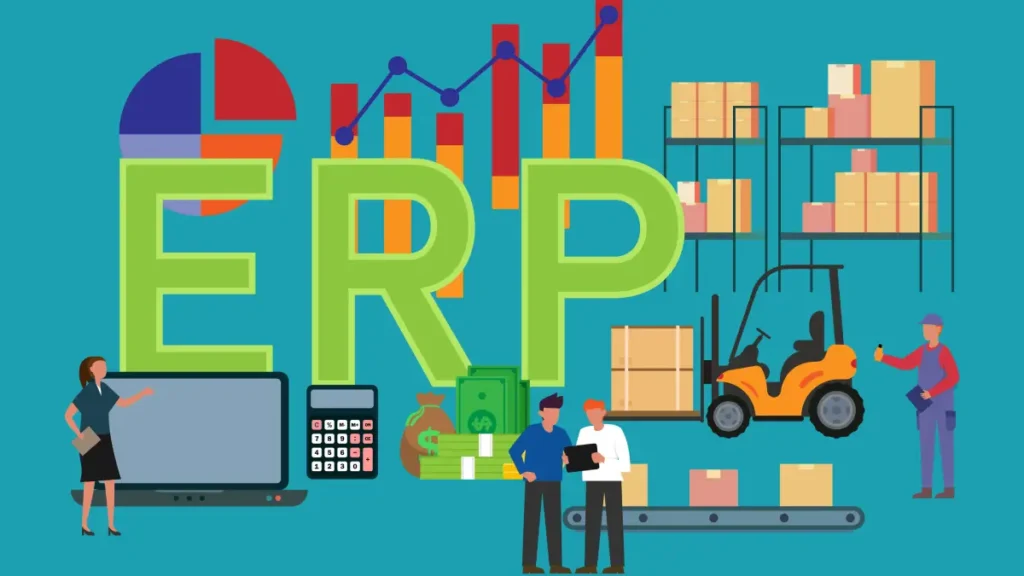
The ERP systems, also referred to as Enterprise Resource Planning systems, have always supported businesses over the years. They assist businesses in operating finance, inventory, sales, human resource and day to day activities within a single system.
However, nowadays, the conventional ERP systems are no longer sufficient. Companies are expanding more, information is growing at a second, and decisions must be made immediately. This is the place where AI agents in ERP are shifting everything. The emergence of AI agents within the ERP is not merely a trend. It is a significant change in the way of business operations, decision-making, and development.
What Are AI Agents in ERP Systems?
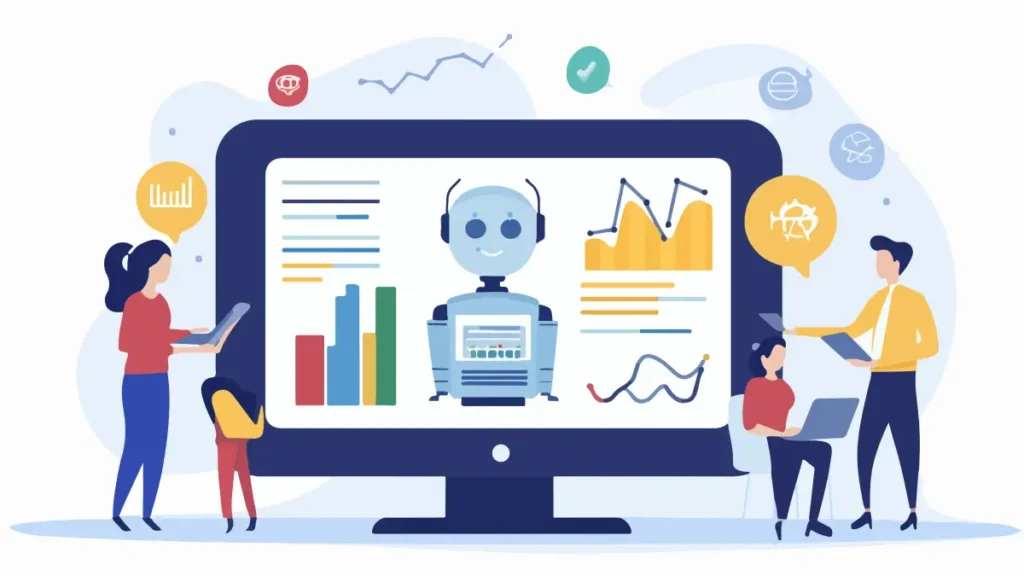
ERP intelligent agents are intelligent digital workers that are developed within the ERP system. Compared to simple automation which merely follows the established rules, AI agents are able to process data, learn by patterns and make intelligent decisions independently.
To put it simply, AI agents do not simply store information. They think, analyze, and act. They are constantly tracking finance, supply chain, human resource, sales, and operations ERP data.
On the basis of this data, they anticipate issues, propose options and in most situations they work automatically. As an example, an AI agent can be used to detect that inventory is low and order a purchase automatically.
Why Traditional ERP Systems Are No Longer Enough
The old ERP systems were intended to capture transactions primarily. Their ability to store information is high but they are poor at being able to give immediate insights. The majority of reports are paperwork, decisions prove to be slow and teams are highly reliant on human resources.
In the modern business environment, companies are faced with customer demands in real-time, global supply chains, escalating costs, and intense competition. It is too risky and slow in making decisions manually. The ERP systems required by businesses should not only document data but lead the business. This is precisely where the importance of AI agents in ERP is coming into play.
How AI Agents Work Inside an ERP Platform
The AI agents function by merging all the ERP modules into one intelligent system. They receive finance, inventory, human resources, sales, procurement, and operations data.
After the collection of data, AI agents interpret and compare past trends and predict the future. Depending on this analysis, they will be able to prescribe or automatically take actions.
To illustrate, an AI agent will be able to examine sales patterns, forecast the demand within a month, and modify the production plan. This is an ongoing process and not once per week or month.
Key Business Areas Transformed by AI Agents in ERP
- Finance and Accounting: AI agents are used to automate the processing of the invoices, tracking expenses, reconcilies and compliance. They can identify suspicious transactions and minimize financial risks of finances. Prediction of the cash flow is more effective and quicker.
- Supply Chain and Inventory: AI agents predict demand, optimize stock levels, identify supplier risks, and avoid overstock or shortages. This saves time wasted and enhances delivery schedules.
- Human Resources: AI agents are used in hiring analysis, payroll accuracy, to track attendance, and performance of employees. The HR teams can pay more attention to people strategy rather than paperwork.
- Sales and Customer Management: AI agents understand customer behavior, prioritize leads, recommend pricing, and enhance order processing. This assists sales teams in making sales faster and also increases customer satisfaction.
Real Benefits of AI Agents in ERP
- Faster Decision Making: Real-time insights without manual analysis
- Reduced Operational Costs: Less manual work and fewer costly errors
- Improved Accuracy: Data-driven decisions with minimal human mistakes
- Higher Productivity: Employees focus on strategic, high-value tasks
- Better Customer Experience: Faster responses and smarter service delivery
- Proactive Business Management: Predict issues before they impact operations
From Automation to Autonomous ERP Systems
The earlier ERP systems were aimed at automation, i.e. they accepted the pre-established rules. ERP systems powered by AI agents take a step forward. They are autonomous.
This implies that the ERP system can detect what is wrong, make decisions on the solution and act independently. AI agents are also able to learn with time, and make better decisions. This change makes ERP an intelligence system and not merely a system of record.
Challenges Businesses Should Know About
- Poor data quality can affect AI accuracy
- Data security and privacy risks need control
- Initial setup and integration may take time
- Employees need training to use AI systems
- Over reliance on AI without human review can be risky
- Continuous monitoring is required for best performance
Why AI Agents Are the Future of ERP
Artificial intelligence agents are going to become a routine in the ERP systems. Companies that implement AI driven ERP early will have a huge competitive edge.
With the unpredictability of markets, a system capable of thinking ahead is required by businesses. AI agents are agile, scalable and resilient. Soon, ERP that does not include AI will become obsolete.
How Businesses Can Prepare for AI Agent ERP
- Review your current ERP system and identify gaps
- Move towards a cloud-based ERP platform
- Ensure your business data is clean and well-organized
- Start with simple AI use cases before full adoption
- Train employees to work with AI-powered ERP tools
- Set clear business goals for using AI agents
- Maintain strong data security and access controls
- Keep human oversight for important AI decisions
- Choose an ERP vendor with built-in AI capabilities
- Prepare for continuous improvement and system learning
Conclusion
With the emergence of AI agents in ERP, the new phase in enterprise technology begins. ERP systems are no longer merely data management tools. They are turning out to be smart business partners.
AI agents increase the speed, accuracy, and autonomy, and make smarter decisions in the ERP systems. That is why they are the next big thing. Companies that adopt AI-enabled ERP in the present will be the leaders in the future.