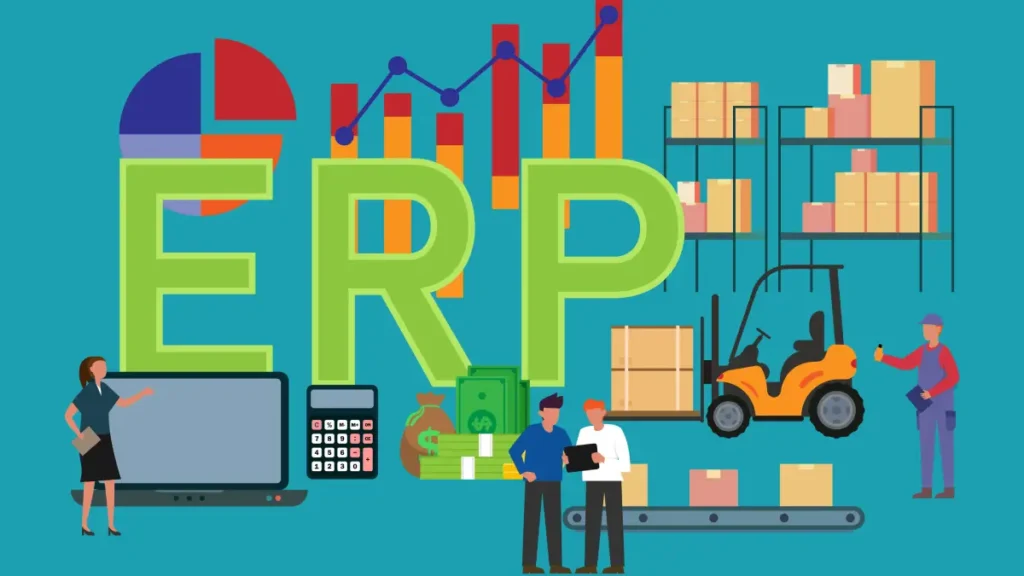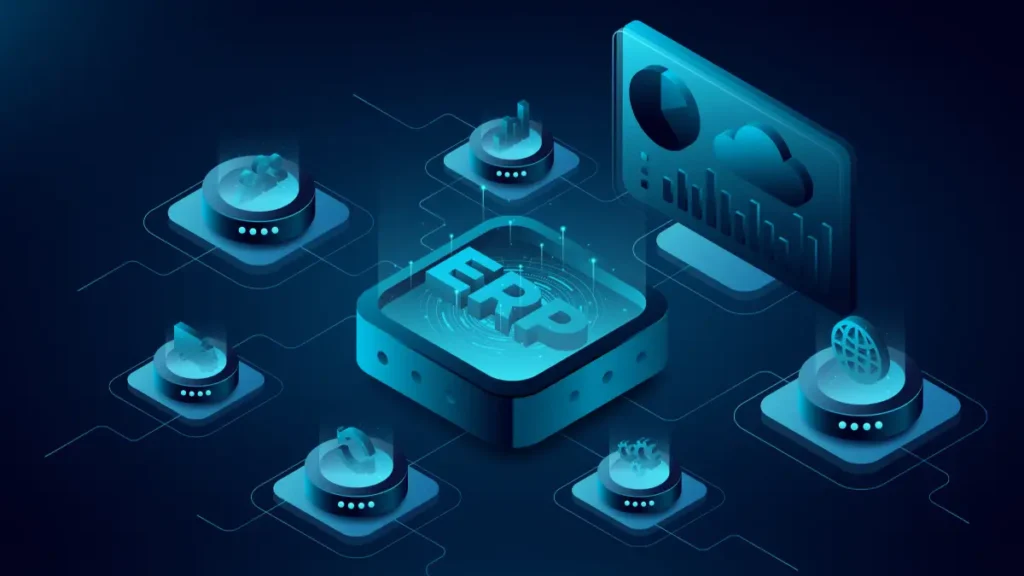
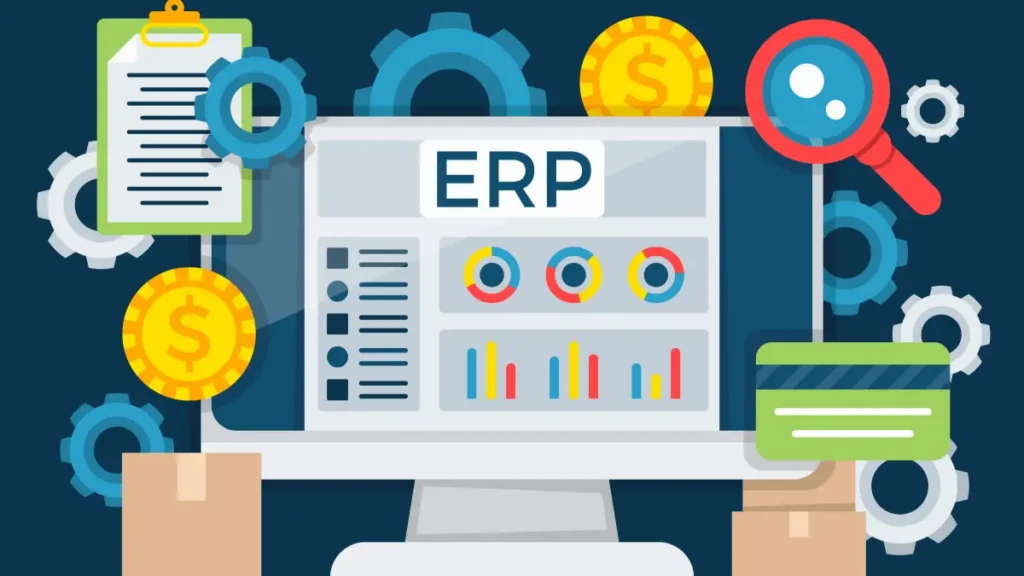
ERP systems have sustained business operations over a long period of time. ERP assists organizations in controlling finance, inventory, HR, sales, and supply chains at a single location. ERP systems have so far been more of record keepers. They stored information, produced reports, and awaited decisions by people.
This is going to change by 2026. Autonomous ERP systems will revolutionize the business operations as they will be intelligent, proactive, and self learning. They will not only store all the information, analyze and predict it, but they will also act with minimal human intervention. This change will make businesses work more quickly than ever before, smarter and more efficiently.
What Is Autonomous ERP?
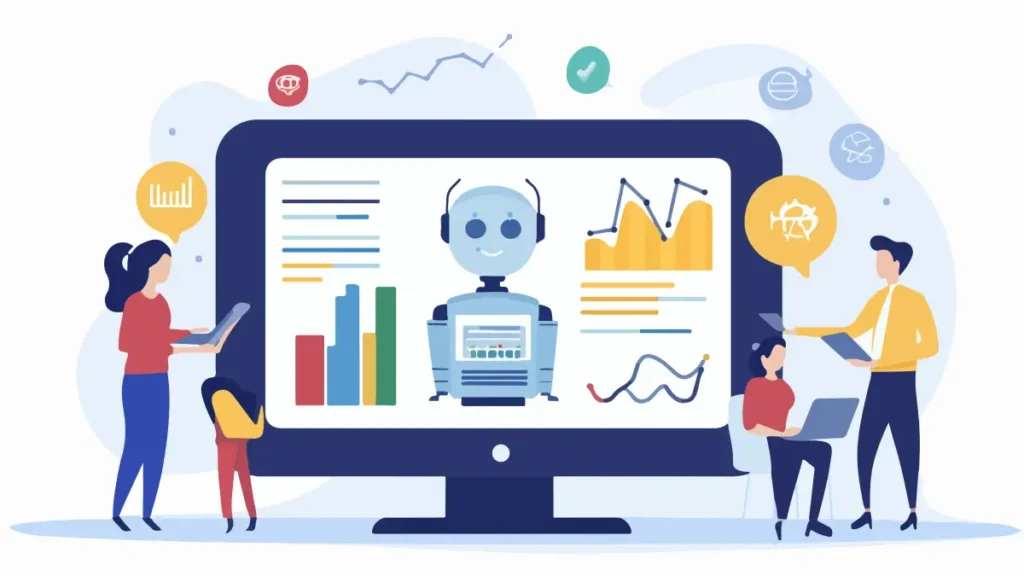
Autonomous ERP is a high-tech ERP system that is based on artificial intelligence and machine learning. It does not just collect data. It understands data. It takes up the past trends and applies the knowledge of the past in making intelligent decisions.
Think of it like the difference between a calculator and a smart assistant. A calculator gives answers only when you ask. A smart assistant not only reminds you about something, but also proposes actions and even does everything by itself. The same applies to autonomous ERP in businesses.
From Record Keeping to Smart Decision Making
The traditional ERP systems capture transactions like sales, purchases, and payments. Report analysis is followed by decisions on what to do next by managers. This is a slow process that is frequently reactive. There will be autonomous ERP systems that will be decision makers by 2026.
They will examine real-time data, identify abnormal behavior, and propose or execute automatically. As an example, the ERP can reschedule the production or propose substitute suppliers immediately in case a delay of the supplier is identified. This makes time saving and prevents last minute rush.
Agent-Based Operations and Hyper Automation
The biggest change that is anticipated is the agent-based automation. This implies that small AI agents within ERP systems will take care of all tasks to the end.
The use of such autonomous agents in enterprise applications is likely to reach approximately 40 percent by 2026. Such agents can handle processes such as order processing, payroll, invoice matching, and customer onboarding without the effort of a manual process.
To businesses, this translates to reduced repetitive work, increased speed, and reduced mistakes. The workers will stop spending hours doing menial work and be able to make valuable decisions.
Smarter Procurement and Purchasing
Procurement is manual and time-consuming. Inventory is monitored, sales rates are evaluated, prices of suppliers are compared, and purchase orders are developed by teams. This will be completely automated by an autonomous ERP. It will examine sales projections, seasonal demand, inventory movement, and supplier rates in real time.
On this basis, it is capable of generating purchase orders automatically and submitting them for approval. This will save on procurement expenses and prevent shortages of stocks, and also enhance relations with suppliers.
Autonomous Finance and Faster Month-End Closing
Finance staff take days or even weeks to close monthly accounts. Checking errors, matching invoices, and reconciling accounts is time-consuming.
Autonomous ERP will do reconciliation, identify anomalies, and even solve the most frequent problems automatically. This will go a long way in minimizing the time that is taken in closing the month-end.
The finance teams will receive precise reports in a lesser amount of time and will be able to concentrate on the budgeting, forecasting, and financial planning rather than the manual checks.
Cloud-Based and Composable ERP Systems
Cloud-based deployments are predicted to contribute close to 70 percent of the ERP revenues by 2026. Cloud ERP enables businesses to expand without any trouble, minimizing infrastructure expenses and automatic updates. Composable ERP is another significant change. Businesses can select modular components instead of having a single large system.
As an example, one system can be used by a company in the financial department, another in the human resource department, and a third in the inventory department, and all three systems are connected. This will enable quick upgrades and prevent expensive system renovations.
Real-Time and Predictive Supply Chain Management
Supply chains are increasingly becoming complex and unpredictable. ERP systems will be autonomous and will be linked with IoT sensors, machines, and digital models that would monitor operations on-the-fly.
One of its advantages is predictive maintenance. Analyzing machine data and maintenance history, ERP systems are able to anticipate the occurrence of equipment failures. This has the potential to cut down on the time of downtimes by 50 percent.
There will also be better inventory management. ERP will also dynamically adjust inventory levels instead of having fixed stock rules, thereby eliminating excess stock by 20-30 percent without shortages.
Sustainability and ESG Built Into ERP
Sustainability is not a choice anymore. Corporations are required to monitor carbon emissions, waste, and the use of resources.
Sustainability will be one of the functions of autonomous ERP. An environmental impact across the supply chain will be monitored in real time by a green ledger. This simplifies ESG reporting, quickens and makes it more precise.
There will also be enhanced traceability. Companies are able to monitor goods en route to the final destination, which assists in compliance and responsible sourcing.
Changing Workforce Roles and Better User Experience
Autonomous ERP is not a substitute for humans. It changes their role. The routine tasks will be done by AI, and human beings will deal with exceptions and strategy. This is referred to as human in the human-in-the-loop model.
There will also be an enhanced user experience. Users can communicate with ERP in a natural language instead of using complicated menus. E.g., “Show me the sales forecast in the next three months.
Mobile-first design will allow managers and field teams to access dashboards and approve actions from anywhere.
Conclusion
In the year 2026, autonomous ERP systems will turn business operations upside down. Instead of merely keeping records, they will have intelligent systems that are able to think, predict, and act. The businesses will also experience expedited processes, smart decision-making, reduced expenses, and enhanced sustainability tracking.
Those companies that begin working on data quality and team training today will gain a great competitive advantage. Autonomous ERP is not only an upgrade in technology. It is the future of the way businesses will grow and become successful.