Enterprise technology is changing very fast. Every business today depends on software to manage daily work. This includes finance, sales, human resources, inventory, and operations. For many years, companies used traditional ERP systems. Then, cloud ERP changed everything by moving business software online.
Now a new and powerful shift is happening. Businesses are moving from cloud ERP to AI native ERP. This is not just an upgrade. It is a complete transformation. AI native ERP systems do not just store data. They think, learn, and help businesses make smart decisions. This blog explains this journey in simple words and shows what is next for enterprise technology.
What Is Cloud ERP?
Cloud ERP is business software that runs on the internet instead of local computers. Companies do not need heavy servers or complex installations. They can access their data anytime and from anywhere.
Cloud ERP became popular because it is flexible and cost effective. It assists companies in accounting, payroll, inventory, customer information and reporting all on a single platform. Updates happen automatically and systems can grow as the business grows.
However cloud ERP mostly works like a digital record book. It collects data and shows reports. It does not deeply analyze data or predict future problems on its own.
Why Is Cloud ERP No Longer Enough?
The contemporary businesses produce massive data daily. Markets change quickly. The customer behavior changes frequently. The supply chains are subject to frequent disruptions.
The use of cloud ERP systems still relies on human power. Managers should read reports, analyze trends and then proceed to make decisions. This process is time-consuming and can cause delays.
The current businesses require systems that are capable of providing guidance to them in real time. They require software which is capable of warning them about the occurrence of problems. This is where AI native ERP comes in.
What Is AI Native ERP?
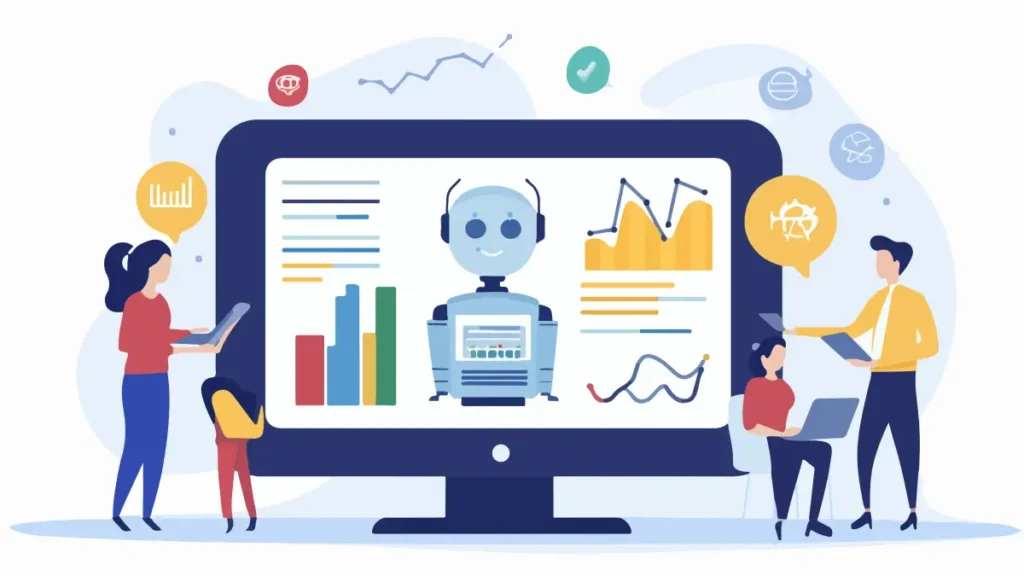
AI native ERP is a new generation of ERP software where artificial intelligence is built into the core system. AI is not added later as an extra feature. It is part of how the system works from the beginning.
AI native ERP systems can study past data, understand patterns, and learn continuously. They can predict outcomes and suggest actions. In many cases, they can even take actions automatically with minimal human input.
For example, an AI native ERP can predict low stock levels before shortages happen. It can suggest the best time to reorder products and choose the most reliable suppliers.
Key Difference Between Cloud ERP and AI Native ERP
| Feature | Cloud ERP | AI Native ERP |
| Main Focus | Managing and storing data | Using data intelligently to make decisions |
| Approach | Reactive – acts after events happen | Predictive – anticipates events and suggests actions |
| Reporting | Provides standard reports | Provides insights, recommendations, and actionable guidance |
| Automation | Automates basic tasks | Automates complex workflows and decisions |
| Decision Making | Depends on human analysis | Supports and often executes decisions automatically |
| User Role | Same experience for all users | Personalized experience with role-specific dashboards |
| Business Impact | Supports operations | Improves efficiency, reduces risks, and optimizes processes |
How AI Native ERP Will Transform Businesses
- Smarter Decision Making: AI native ERP systems access real-time information across all departments. They assist leaders in making decisions that are quick and improved. Businesses are able to act on live insights in lieu of guessing, using old reports.
- Advanced Automation: Traditional ERP automates simple tasks like data entry. AI native ERP automates complex workflows. It can approve invoices, flag unusual expenses, and adjust schedules without manual effort.
- Predictive Planning: AI native ERP helps businesses plan ahead. It can forecast sales demand, cash flow and production needs. This reduces risk and improves stability.
- Better User Experience: AI native ERP systems adapt to users. Dashboards change based on roles. Employees see what matters most to them. The system also suggests next best actions to improve productivity.
Industries That Benefit the Most
- Manufacturing companies use AI native ERP to improve production planning and reduce waste.
- Retail businesses benefit from better demand forecasting and customer insights.
- Finance teams use AI to detect fraud, manage cash flow, and improve compliance.
- Healthcare organizations improve resource planning and patient service quality.
- In every industry, AI native ERP helps reduce cost, increase efficiency, and improve decision quality.
Challenges in Adopting AI Native ERP
Moving to AI native ERP is not without challenges. Businesses need clean and reliable data. Employees must learn new ways of working. Some leaders may hesitate to trust AI-driven decisions.
There can also be higher initial costs. However, these challenges can be managed with proper planning, training, and vendor support. The long-term benefits are much greater than the early effort.
What Enterprises Should Do Now?
Companies are advised to begin gearing their data to use AI. Data accuracy is critical. Employees should be trained to operate with AI tools. It is significant to select an ERP vendor that has a robust AI roadmap. Before going fully AI-powered, companies can begin with implementing AI functionality in a single department.
The Future of Enterprise Technology
Enterprise technology is intelligent, autonomous, and proactive in the future. The native ERP systems are going to be AI and will serve as the brain of the business. They will manage operations, forecast risks, and improve performance in a continuous manner.
Businesses that embrace the use of AI based ERP at an early stage will have a high competitive advantage. They will be quicker, more agile and strong in uncertain markets.
Conclusion
The migration of cloud ERP to AI native ERP signifies a new age in enterprise technology. Businesses are shifting away from systems that record data to systems that comprehend and respond to data.
AI native ERP is not a trend only. It is the future of the way business is conducted, developed, and competed. Those companies that adopt such a change today will be the front-runners in their industries tomorrow.