Operating a retailing business is not as easy as it appears. Retailers have to deal with product, sales, customer care and records on a daily basis. These duties may occur with errors when they are performed with the help of various tools or by hand. Inventory can be depleted at any moment, sales information might not correspond and customer information can be lost. This is where retail ERP comes in. ERP assists the retailers to control stock, sales and consumers through a single system.
What Is ERP in Retail?
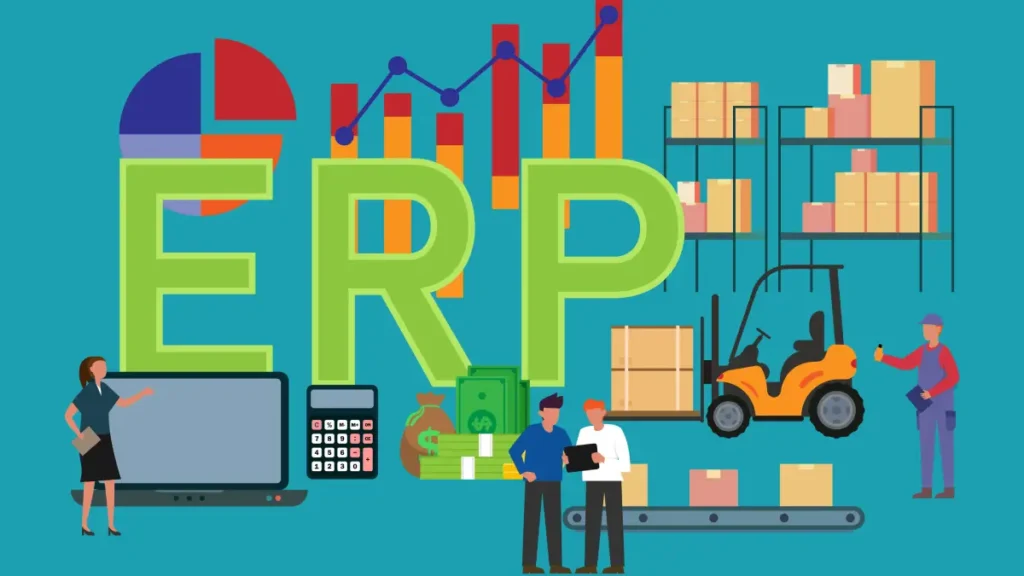
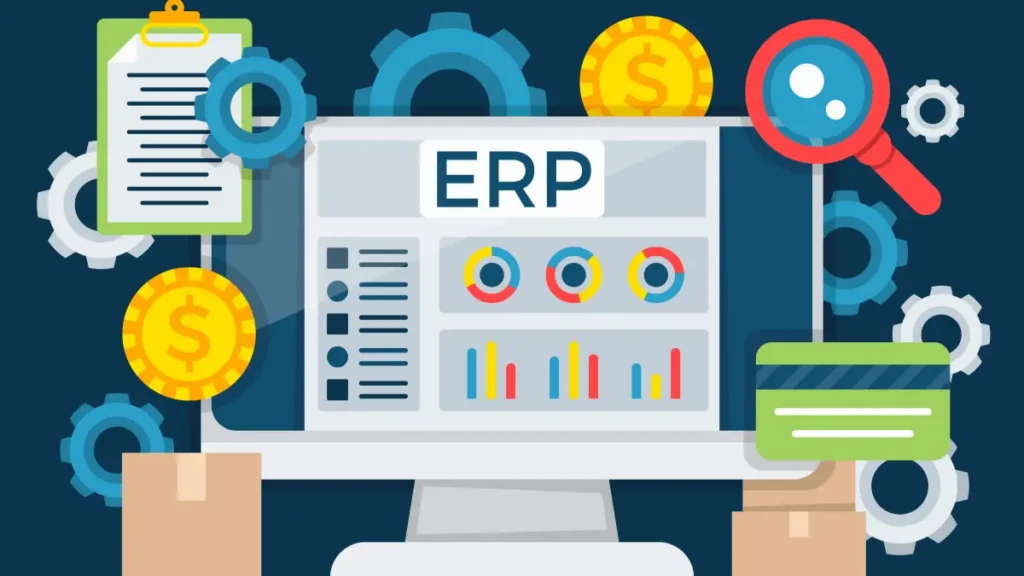
ERP is an abbreviation of Enterprise Resource Planning. In plain terms, ERP is a software that assists a business in dealing with all its significant activities centralized. In the case of retail firms, ERP links the inventory management, sale processing, and customer information to a single system. There is no need to have different tools to bill, to track the stock and to have a record of the customers, but all this can be viewed on a single dashboard. This simplifies work and streamlines it.
Problems Faced by Retailers Without ERP
- Difficulty in tracking stock accurately
- Frequent stock shortages or overstocking
- Slow and error prone billing process
- No clear view of daily sales performance
- Customer information scattered across systems
- Managing multiple stores becomes confusing
How ERP Helps in Inventory Management
One of the most significant components of retail is inventory management. ERP enables retailers to monitor stock on a real time basis. This is in the sense that the system indicates the precise amount of stock in the system at any given time. In case of low stock levels, ERP will alert the business to enable new products to be ordered in time. It also assists in grouping the products in terms of their categories and location. The retailers are able to control stock in more than one store or warehouse using a single platform. This minimizes waste, avoidance of stocking and products are always in stock and available whenever the customers need them.
Managing Sales Easily with ERP
Sales management is quicker and more precise with the help of ERP. It facilitates the easy billing and check out of the customers, minimizing on the waiting time. All sales will be automatically registered into the system. Daily, weekly or monthly reports on sales can be seen by retailers without having to count them manually. ERP is also useful in the control of returns, discounts, and offers. Regardless of the method of making sales, either physically in a store or online, all the transactions are captured in a single point by the ERP. This has provided a clear picture of business.
Customer Management Made Simple with ERP
The retail business is centered on customers. ERP assists in the storage of customer information in a single system. It discretes purchase, preference and visit history. This assists the retailers to know what the customers like purchasing. Based on this data, companies will be able to provide customized offers and rewards. Employees can service better when they can easily access all the details of customers. This develops confidence and will motivate repeat customers.
One Platform for Inventory, Sales, and Customers
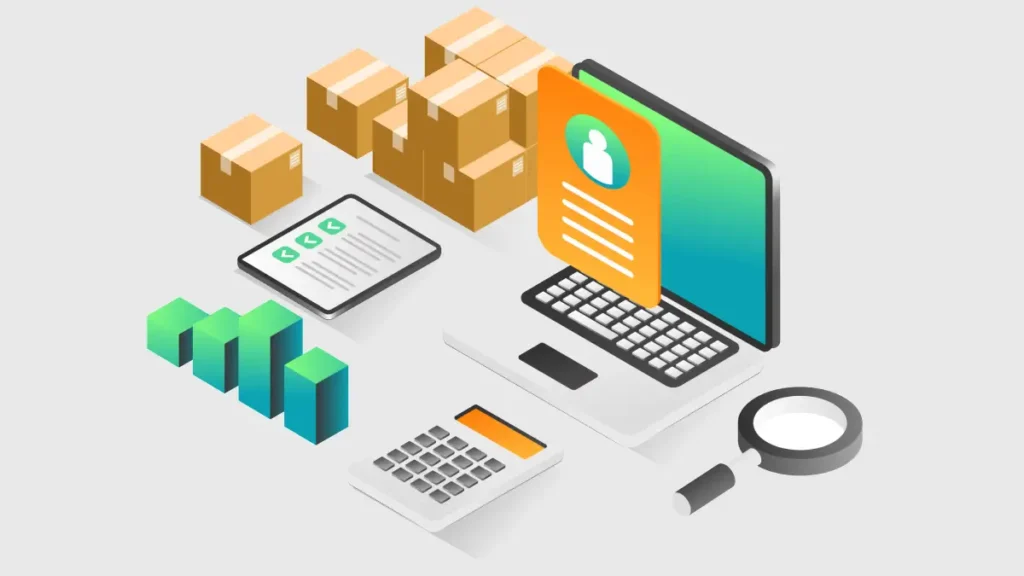
The greatest benefit of ERP is that all things work as a single platform. Auto updating of inventory occurs when a sale is made. Each purchase is updated on customer records. Sales reports indicate real time information. This integration of various functions minimizes mistakes and wastage of time. There is no need of employees keying in the same information severally. Managers would have a full picture of the business, and this would aid in making superior decisions.
Benefits of Using ERP for Retail Businesses
- Manages inventory, sales, and customers in one system
- Provides real time updates and accurate data
- Improves billing speed and sales tracking
- Reduces manual work and operational errors
- Helps in better decision making
- Enhances customer service and satisfaction
ERP for Small and Large Retail Businesses
ERP can be applicable to small and large retailers. An advantage to small businesses is that they automate their daily operations and they stop relying on manual records. Retailers with many stores, warehouses, and teams utilize ERP to handle them effectively. ERP systems are customizable to the needs of business. In the long run, ERP will be cost effective since it minimizes losses and enhances productivity.
Key Features to Look for in a Retail ERP
- Real Time Inventory Tracking: Keeps stock levels updated instantly across all stores and warehouses.
- Sales and Billing Management: Handles billing, invoices, returns, and discounts smoothly in one system.
- Centralized Customer Data: Stores customer details and purchase history at one secure place.
- Automated Reports and Insights: Generates sales, inventory, and performance reports automatically.
- Multi Store and Warehouse Support: Manages multiple retail locations from a single dashboard.
- Cloud Based Access: Allows access to data anytime from any location with the internet.
How ERP Supports Retail Growth
ERP assists in the expansion of the retailers as it offers meaningful insights. It displays the products that are selling and those that are not selling. It assists in knowing customer purchasing patterns. The retailers are able to strategize growth and launch new products with the right information. ERP also facilitates online selling and multi location business hence expansion becomes easier.
Real Life Example of ERP in Retail
Think about one of the retail stores that handles its stock manually. They usually encountered problems with missing products and sluggish reports. Following the introduction of ERP, the stock was an automatic update. Reports on sales were accessible in real time. The information about customers could be accessed readily. The store was more controlled, less erroneous and customers were more satisfied.
Is ERP Difficult to Use
Most of the individuals believe that ERP is complex, and the new ERP systems are easy to use. They possess easy interfaces and less training is needed. There are generally support teams and guides that provide assistance to users. ERP can be learnt by even those who do not have technical knowledge on how to use it with ease.
Conclusion
Retail ERP is an effective solution that involves inventory, sales and customer management in a single platform. It eases the day to day operations, minimizes errors, and enhances decision making. ERP helps retailers to work more efficiently, offer more services to the customers. In the current competitive retail markets, ERP is not only beneficial, but a key success factor in the long term.